MahiEc

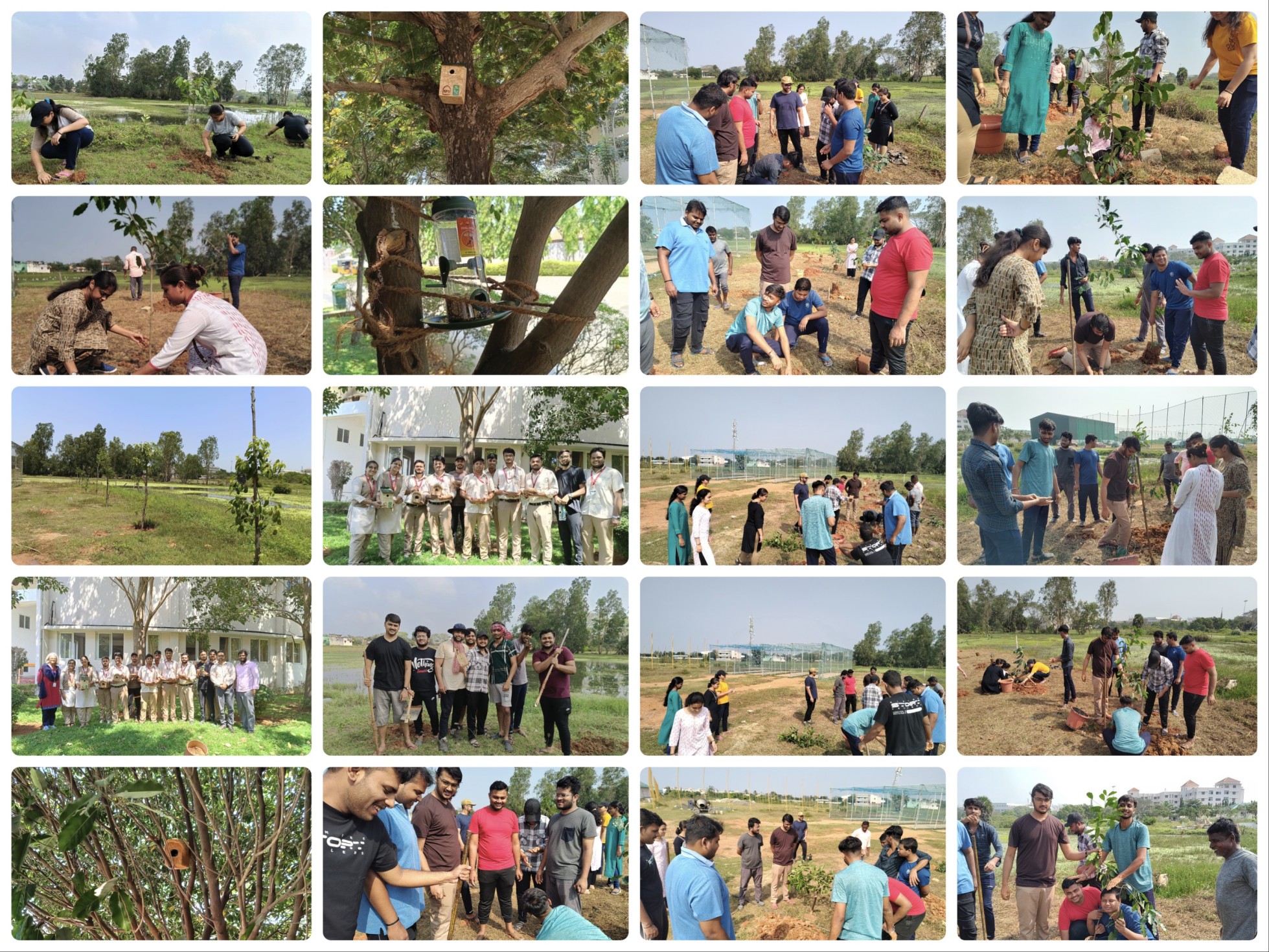
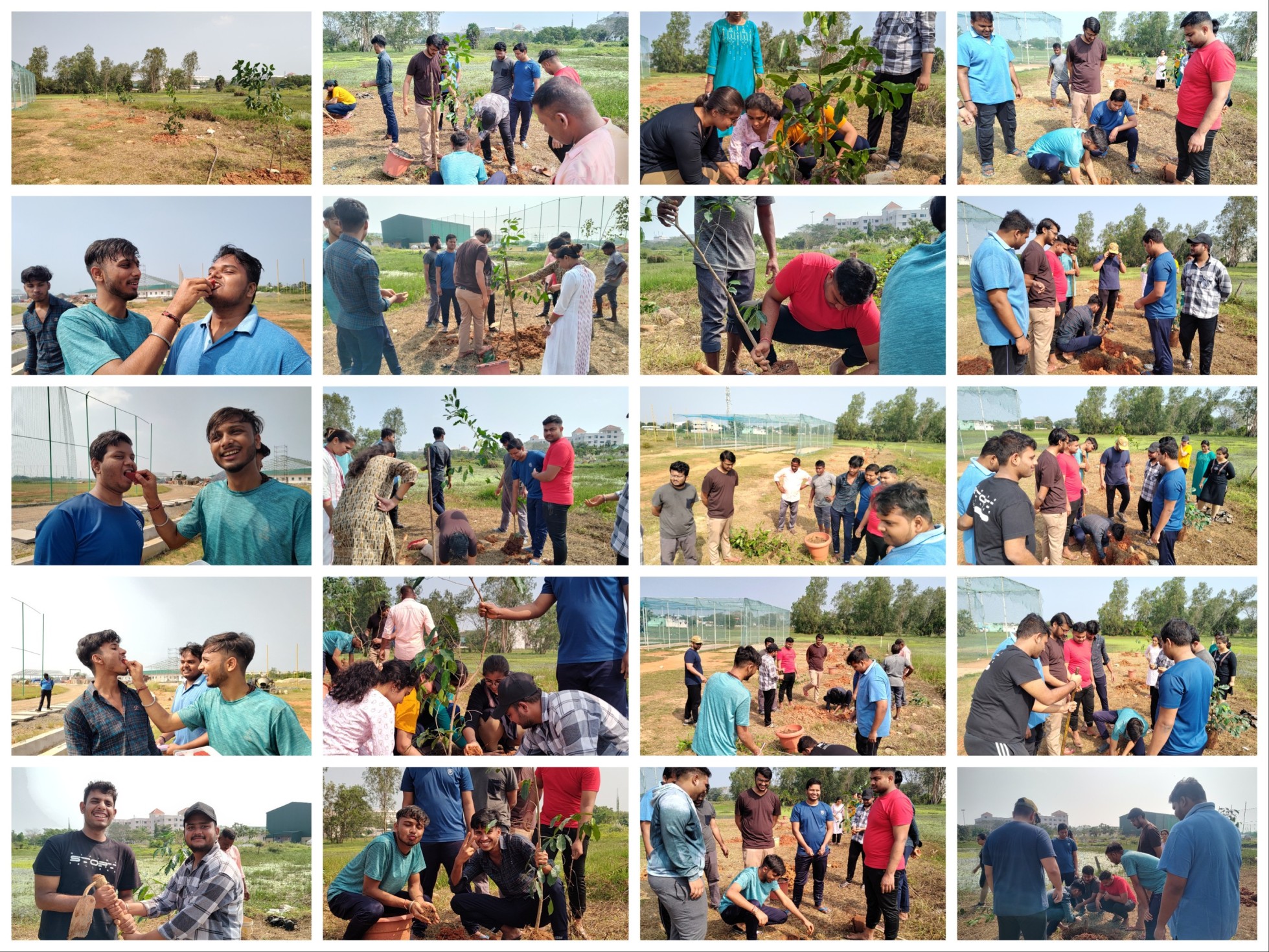
Collage 1 Collage 2

Why is eco consciousness the need of the hour?

First, let’s understand what eco-consciousness really means. It is being aware of how our actions affect the environment and making choices that help protect the planet. It means understanding the impact of things like pollution, waste, and resource use, and trying to live in a way that reduces harm to nature. Today, it is increasingly critical due to several pressing environmental issues and the potential for positive impact through sustainable practices.

  1. 1. Climate Change Mitigation: By adopting eco-friendly practices, we can reduce greenhouse gas emissions and help slow down global warming, which is critical for preventing severe weather events and other climate-related impacts that we are experiencing in recent years.
  2. 2. Resource Conservation: Sustainable use of natural resources such as water, forests, and fossil fuels ensures they remain available for future generations, preventing resource depletion and promoting long-term environmental health.
  3. 3. Health Improvements: Reducing pollution leads to cleaner air and water, which directly improves public health by decreasing respiratory issues and preventing waterborne diseases.
  4. 4. Biodiversity Protection: Eco-conscious behaviour helps preserve natural habitats and protect endangered species, maintaining the ecological balance necessary for a healthy planet.
  5. 5. Economic Benefits: Sustainable practices can lead to significant cost savings and economic growth. Energy-efficient technologies, recycling, and waste reduction not only lower expenses but also create new jobs in the green economy.

What difference can youth make?

Youth can make a significant difference in promoting eco-consciousness and environmental sustainability in several impactful ways:

  1. 1. Advocacy and Awareness: Young people are the most active age-group of all. They can raise awareness about environmental issues through social media, school projects, and community activities. Their voices can influence peers, families, and even policymakers to adopt more eco-friendly practices.
  2. 2. Innovative Solutions: Youth are often at the forefront of innovation. They can develop new technologies and creative solutions to environmental problems, such as renewable energy sources, sustainable products, and efficient waste management systems.

  3. Initiatives like the International Youth Climate Movement, the Indian Youth Climate Network (IYCN) have seen young people propose innovative ideas at major conferences like the United Nations Climate Change Conferences (COP).
  4. 3. Lifestyle Choices: By adopting sustainable habits like recycling, using public transportation, reducing plastic use, and conserving energy, young people can reduce their ecological footprint and set an example for others to follow.
  5. 4. Community Engagement: Young people can organise and participate in local environmental projects such as tree planting, clean-up drives, and conservation programs. These activities not only improve local environments but also foster a sense of community and shared responsibility.
  6. 5. Political Action: Youth can engage in political processes by voting for environmentally conscious leaders, participating in climate marches, and lobbying for stronger environmental regulations. Their collective action can drive significant policy changes at local, national, and global levels.

Some examples of youth impact are: Fridays for Future, Plant-for-the-Planet, The Sunrise Movement

How can we start from our homes, localities, offices, schools and colleges?

Starting from our homes, localities, offices, schools, and colleges, we can take several simple & practical steps to promote sustainability and environmental consciousness. Here are some actionable strategies for each setting:

Homes
  1. 1. Reduce Waste: Implement recycling programs and compost organic waste. Reduce single-use plastics by using reusable bags, bottles, and containers.
  2. 2. Water Conservation: Fix leaks, install low-flow showerheads and faucets, and use rain barrels to collect water for gardening.
  3. 3. Sustainable Food Choices: Buy local and organic produce, reduce meat consumption, and minimise food waste by planning meals and using leftovers creatively.
Localities
  1. 1. Community Clean-Ups: Organise or participate in local clean-up drives to keep parks, streets, and waterways free of litter.
  2. 2. Green Spaces: Advocate for and participate in planting trees and creating community gardens to enhance local biodiversity and green cover
  3. 3. Public Transport: Promote the use of public transportation, biking, and walking to reduce carbon emissions and traffic congestion.
Offices
  1. 1. Energy Efficiency: Implement energy-saving policies like turning off lights and computers when not in use, using natural light, and setting thermostats to energy-efficient settings.
  2. 2. Waste Reduction: Set up recycling stations, encourage digital documents to reduce paper use, and minimise single-use items in cafeterias and break rooms.
  3. 3. Green Commutes: Encourage carpooling, biking, or public transportation for employees. Provide facilities like bike racks and electric vehicle charging stations.
  4. 4. Sustainable Procurement: Choose eco-friendly office supplies, furniture, and equipment. Prioritise vendors with sustainable practices.
Schools and Colleges
  1. 1. Environmental Education: Integrate sustainability into the curriculum through subjects, projects, and activities that focus on environmental science and eco-conscious practices.
  2. 2. Green Campus Initiatives: Establish recycling programs, composting systems, and energy conservation measures on campus. Promote the use of reusable items in cafeterias.
  3. 3. Student Involvement: Encourage students to form eco-clubs and participate in environmental initiatives like tree planting, clean-ups, and sustainability challenges.