

Tree Plantation at Amrita Chennai
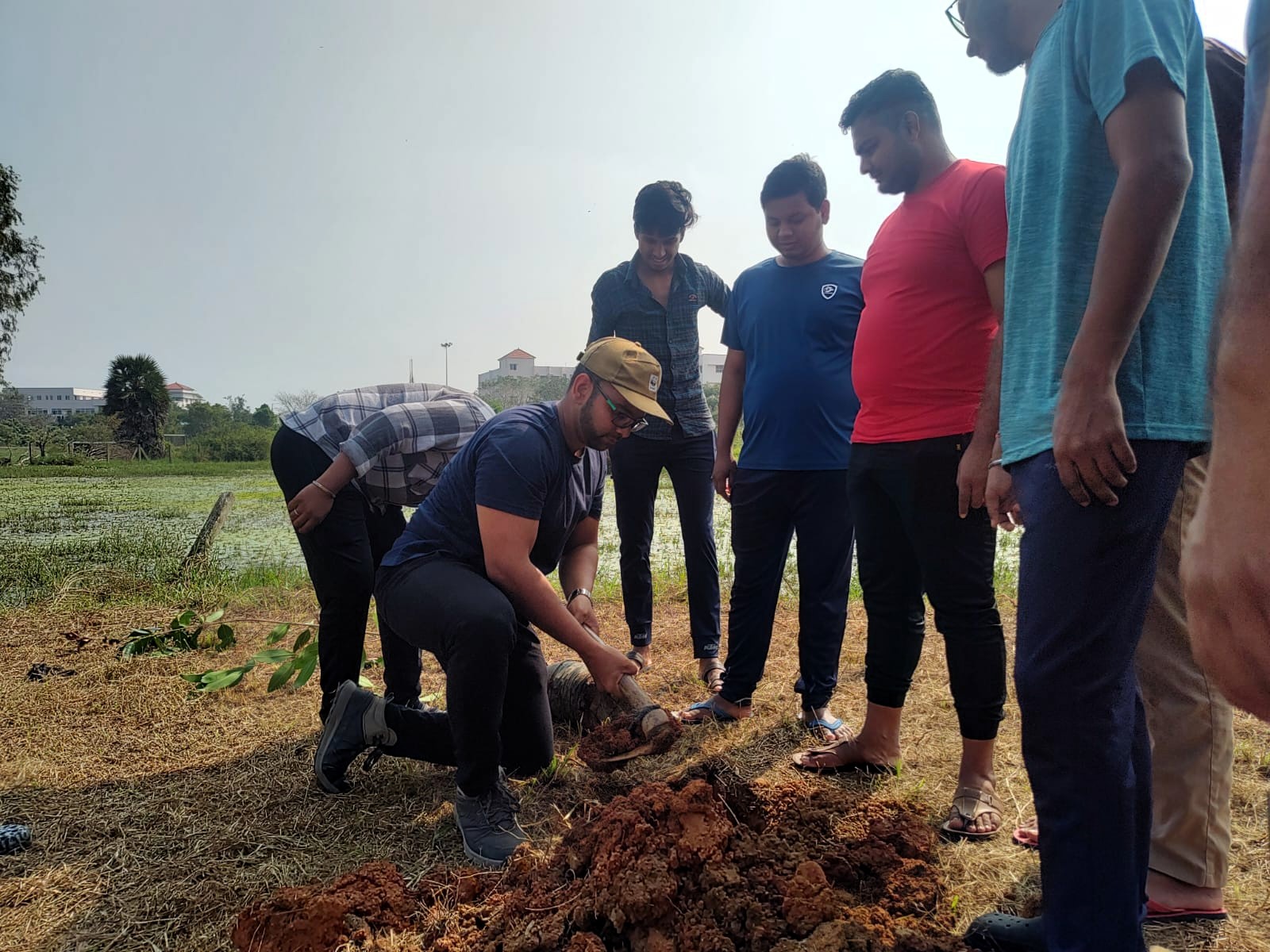
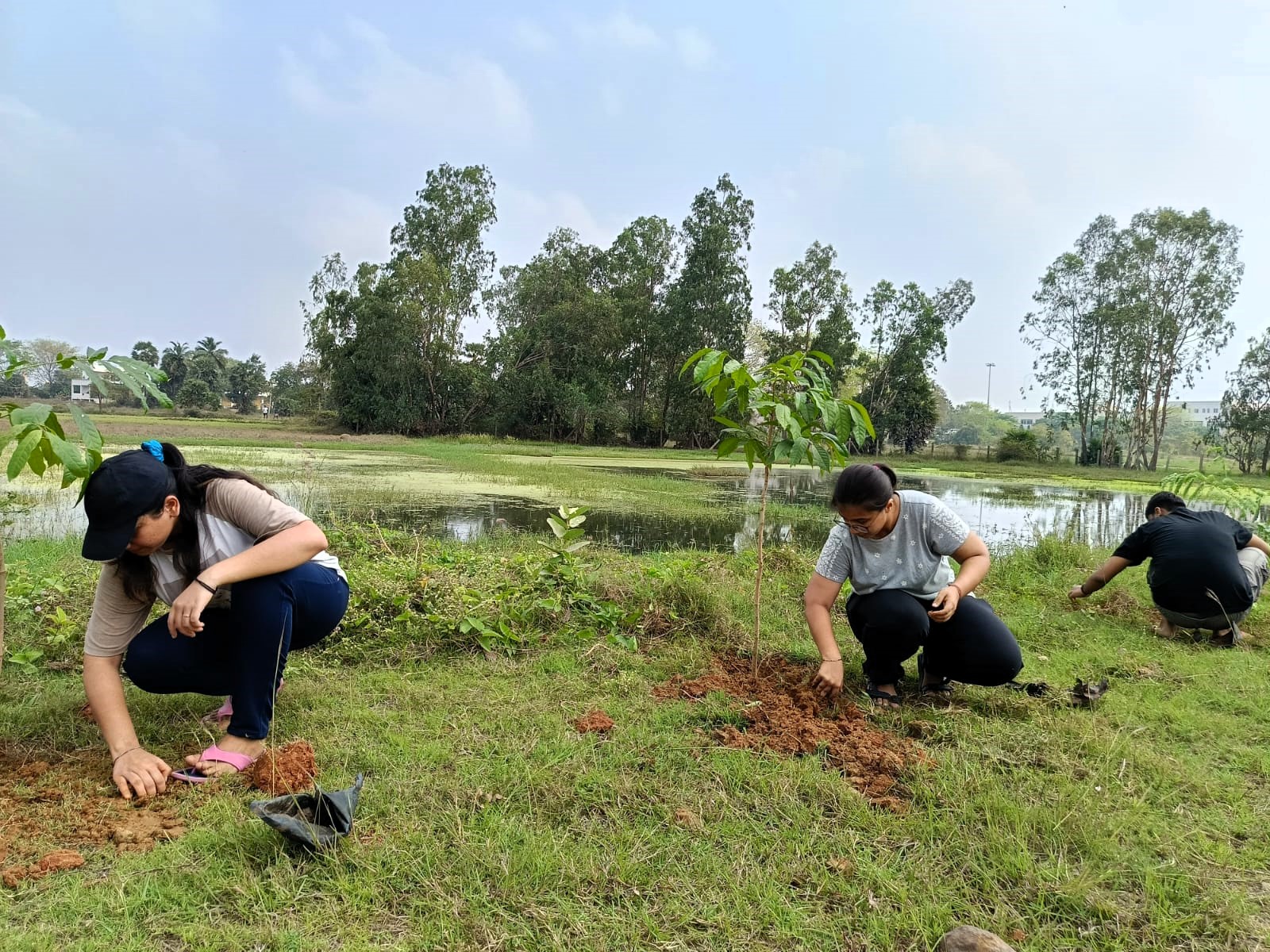
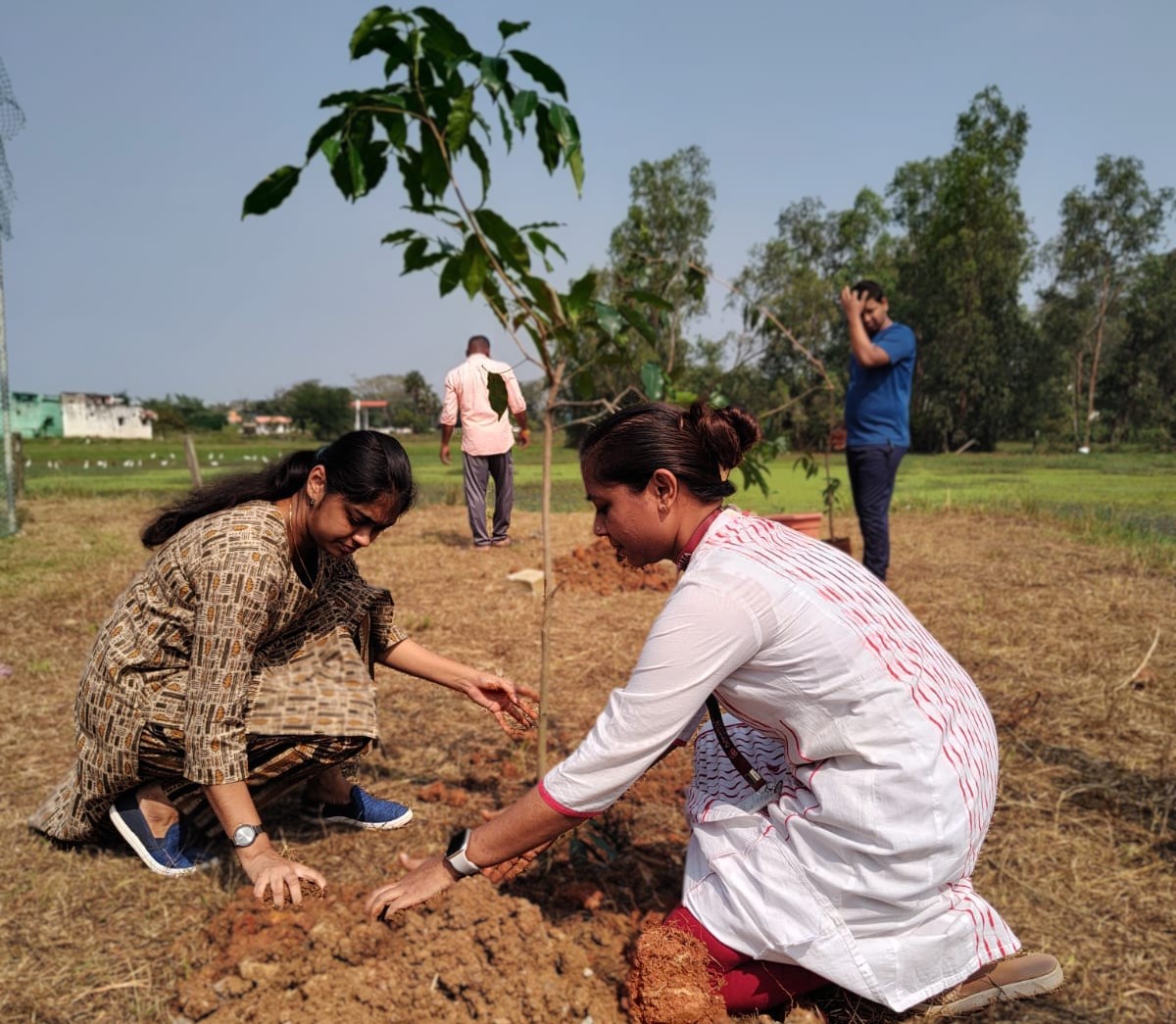
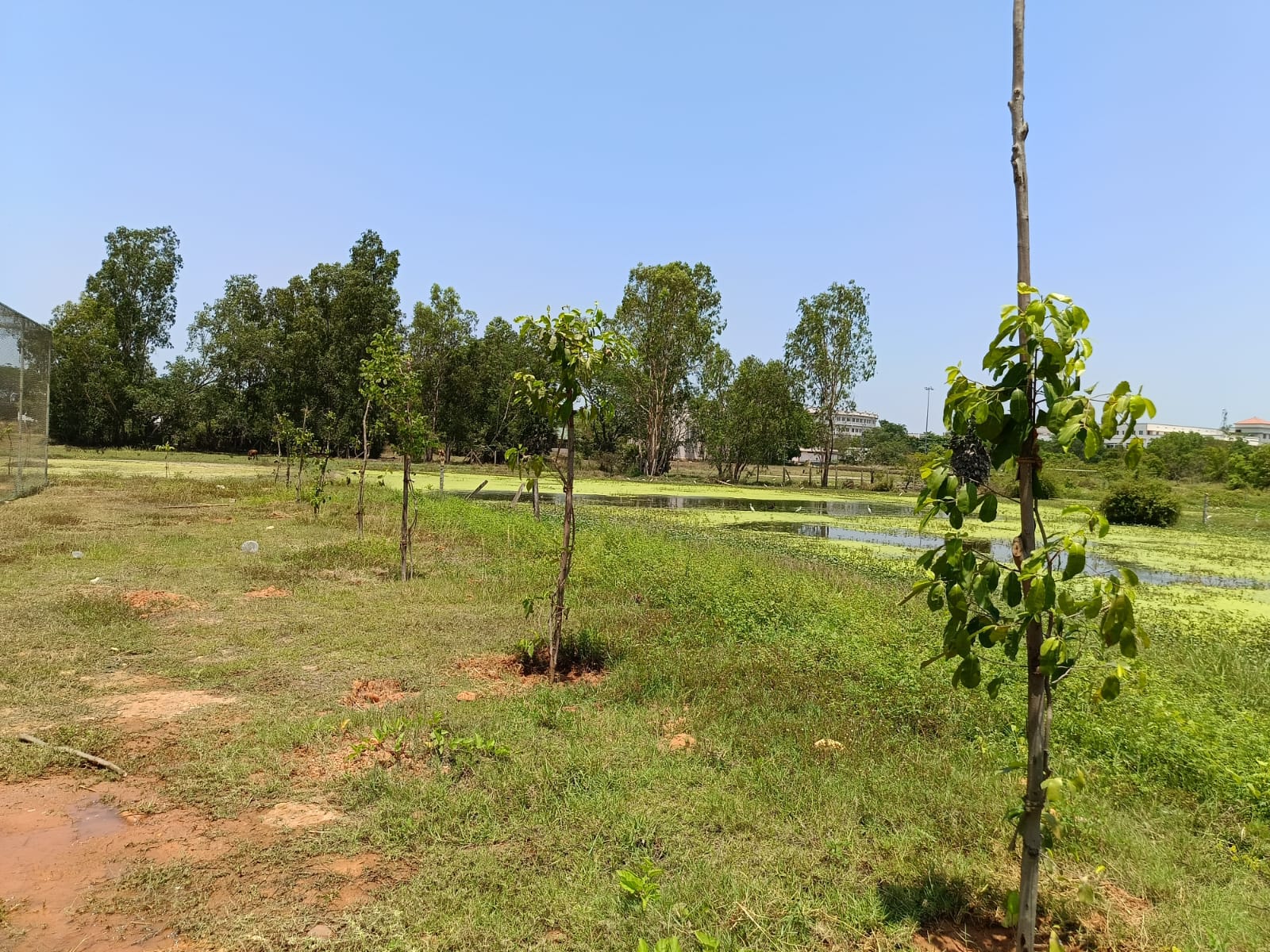
• Mahi organized a successful tree plantation drive within the Amrita chennai campus premises.
• This initiative aimed to enhance biodiversity by planting a variety of tree species, engage students and faculty in hands-on environmental activities, and foster community involvement.
Together, we can make a significant impact on our planet.
Shelters for Birds
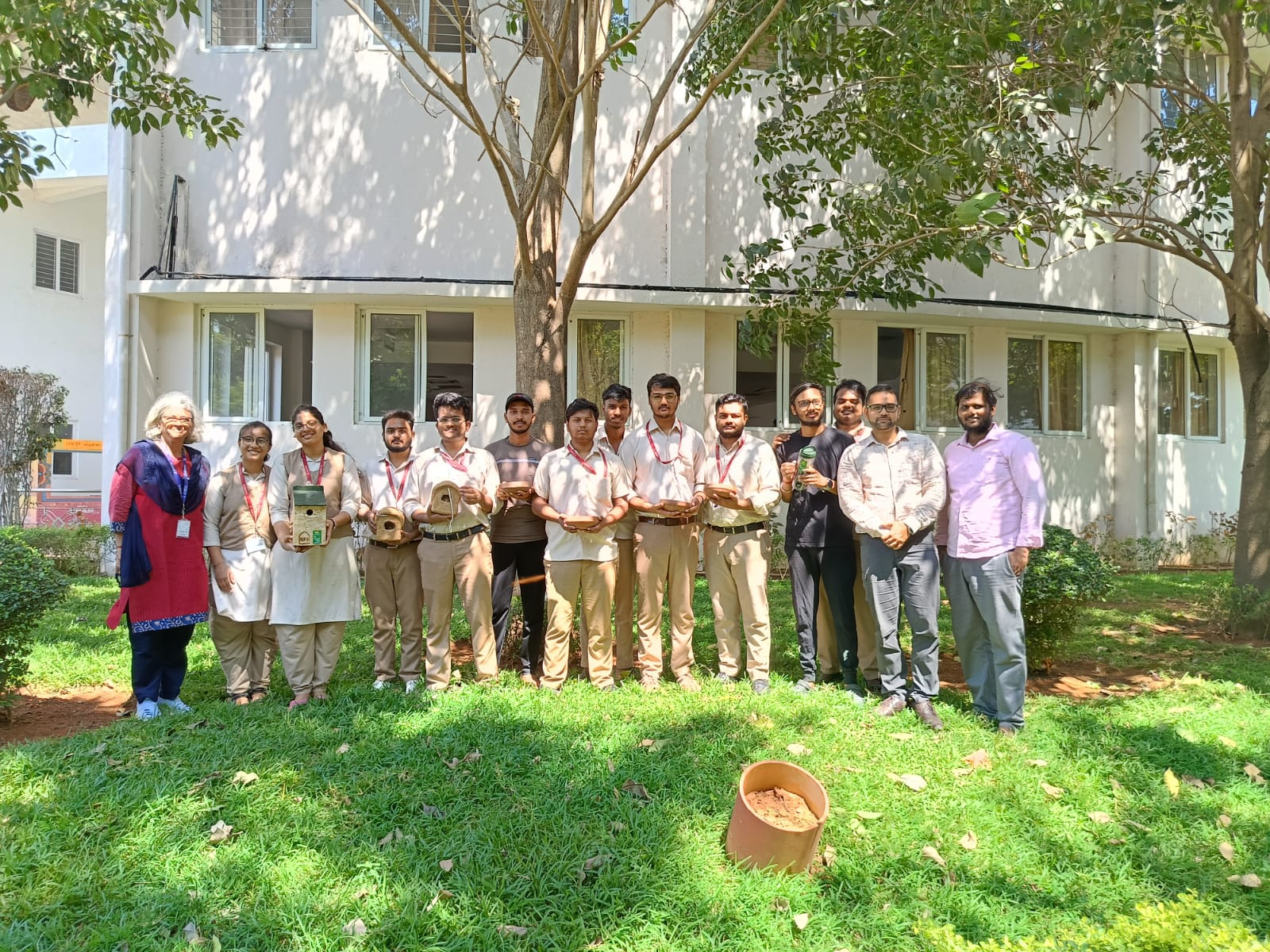
• Mahi proudly presents our newly installed bird shelters and water pots for birds and animals within the Amrita campus premises.
This initiative aims to provide a safe haven for local bird species, support biodiversity, and foster a closer connection between our community and nature.
• We are committed to creating a welcoming environment for wildlife and promoting awareness about the importance of protecting our feathered friends.



Problems our planet is facing because of unsustainable development:
- Climate Change: One of the most significant issues is climate change, driven by the burning of fossil fuels and deforestation. This results in higher global temperatures, extreme weather events, rising sea levels, and the melting of polar ice caps, which can lead to extensive flooding and loss of habitat for species such as the emperor penguin
- Deforestation: Forests, which act as carbon sinks, are being cleared at an alarming rate, primarily for agriculture and urban development. This not only contributes to increased carbon dioxide levels but also leads to loss of biodiversity and disruption of water cycles.
- Plastic Pollution: The world produces millions of tons of plastic annually, much of which ends up in the oceans. This pollution harms marine life and ecosystems, with microplastics entering the food chain and posing health risks to humans and wildlife.
- Air Pollution: Industrial activities and vehicle emissions release pollutants into the air, contributing to respiratory problems and premature deaths. Poor air quality affects millions worldwide, particularly in densely populated and industrial regions.

- Biodiversity Loss: Unsustainable practices such as deforestation, pollution, and climate change threaten many species with extinction. The destruction of habitats, such as coral reefs and rainforests, leads to a loss of biodiversity and the collapse of ecosystems.
Green movements which started small and ended big:
1. Chipko Movement (1970s, India)
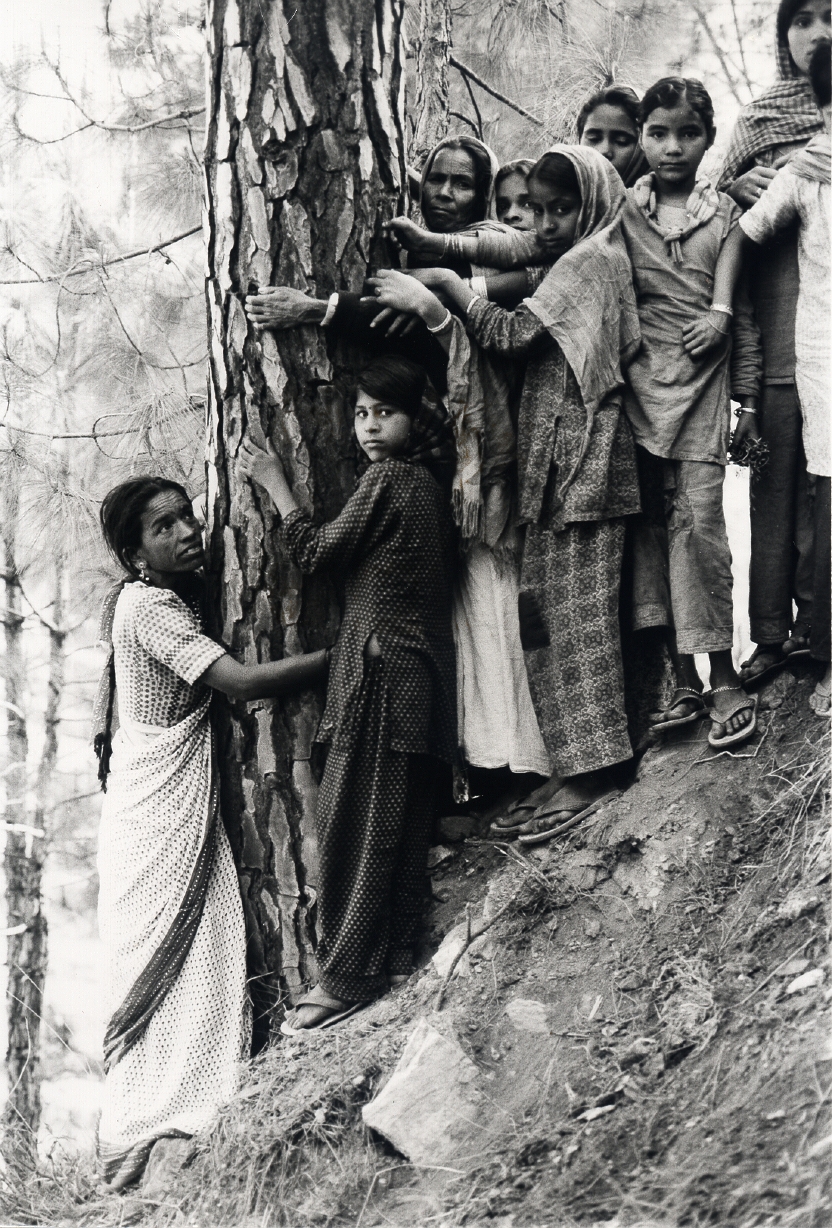
- - Origin: Villagers in Uttarakhand, especially women, hugged trees to prevent them from being cut down.
- - Impact: Raised awareness about deforestation and led to a ban on tree felling in the region.
- - Lesson: Grassroots activism can bring about significant environmental policy changes and community involvement is crucial for success.
2. Jungle Bachao Andolan (1980s, India)
- - Origin: Tribals in Bihar protested against the government's plan to replace natural forests with commercial teak plantations.
- - Impact: Highlighted the importance of preserving natural forests and indigenous rights.
- - Lesson: Local communities are often the best stewards of their environments and their voices are essential in conservation efforts.
3. Save Silent Valley Movement (1970s-1980s, India)

- - Origin: Environmentalists and locals protested against a hydroelectric project in Kerala’s Silent Valley, a pristine tropical rainforest.
- - Impact: The project was cancelled and Silent Valley was declared a national park.
- - Lesson: Scientific evidence and public pressure can effectively protect biodiversity hotspots.
4. Green Belt Movement (1977, Kenya)
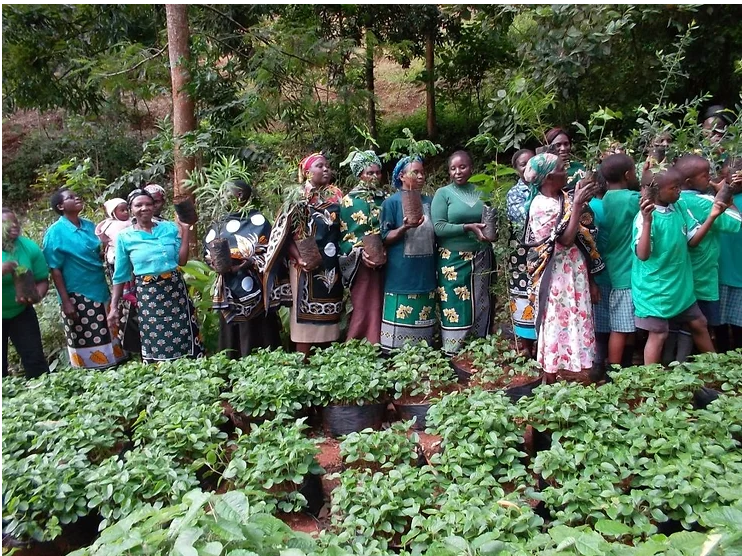
- - Origin: Founded by Wangari Maathai, women were mobilised to plant trees to combat deforestation and soil erosion.
- - Impact: Over 51 million trees planted, improving environmental conservation and women's empowerment.
- - Lesson: Community-based reforestation projects can address environmental degradation while empowering marginalised groups.
5. Fridays for Future (2018, Worldwide)
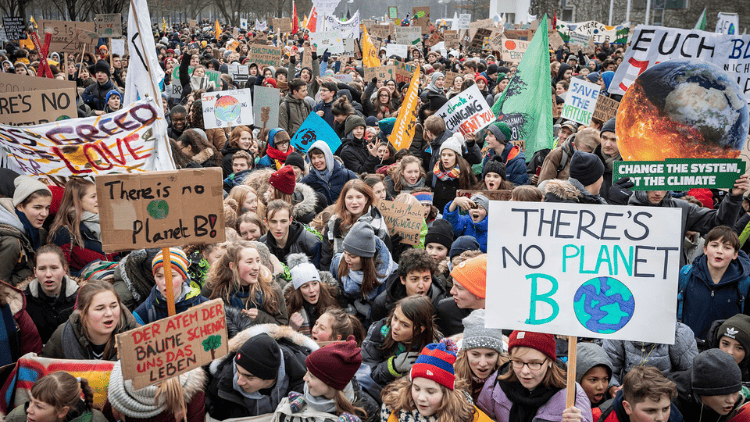
- - Origin: Started by Greta Thunberg, a Swedish teenager, with school strikes for climate.
- - Impact: Global movement with millions of participants advocating for urgent climate action.
- - Lesson: Youth activism can galvanise global attention and action on critical issues like climate change.